Custom monitoring systems
A system shaped around your site.
The measurement, location and way your team works determine the system. We help select instruments and connect recording, communication and displays when an off-the-shelf setup does not fit.
- Site-specific design
- Defined tests and handover
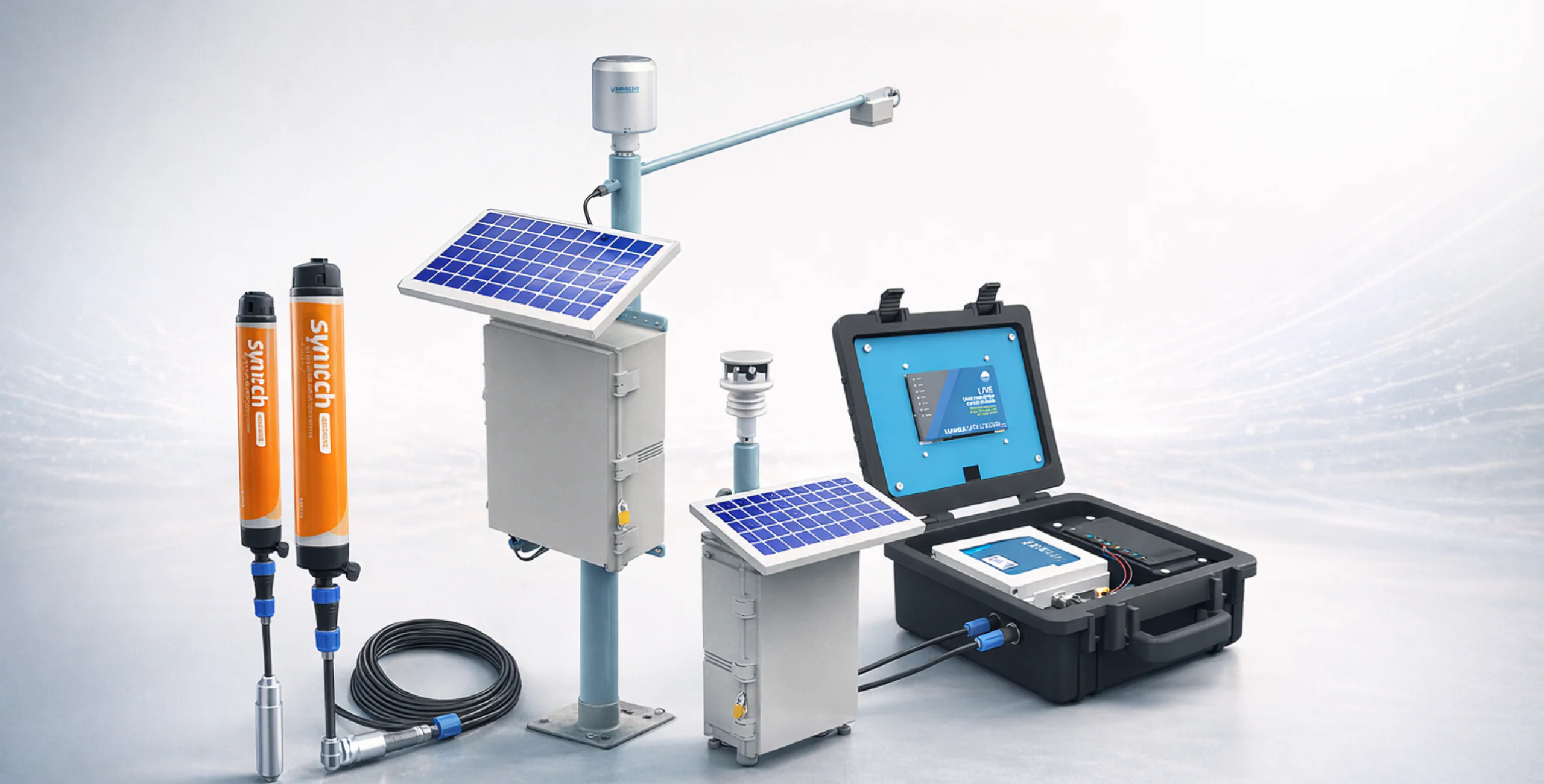
Begin with what you need to know
A water site, farm, production facility or building can have very different measurement and installation needs. Define the reading and its purpose before choosing hardware.
The right device for the measurement
Review available sensors first. Where the scope calls for new hardware, work can include component selection, circuit-board design and a test unit.
Recording and communication
Define the device program, recording intervals, power needs and available connections around site conditions.
Information your team can use
Agree data storage, web screens and connections to existing systems. Compatibility and access requirements are reviewed before integration.
Development and delivery
A clear result at each stage
New device development and integration of existing products have different testing needs. The scope, schedule and acceptance criteria are agreed for the project.
Understand the site
Review measurements, environment, power, network and operating needs. Output: an agreed requirements brief.
Design the system
Select instruments and plan recording, communication and installation. Output: a technical design and work scope.
Build and test
Test a unit or system configuration against agreed criteria. Output: test records and revisions where needed.
Install and hand over
Verify functions on site and guide the operating team. Output: installation records, instructions and agreed documentation.
Plan for the system after installation
Working with existing equipment
Available interfaces, device documentation and your team's access policy determine what can be connected. The design identifies retained equipment and any changes needed.
Support and future changes
Define operating guidance, maintenance needs, spares and support responsibilities during planning. Later expansion should be reviewed against the original design.
Explore maintenance servicesMake an informed choice
What does an off-the-shelf package leave unanswered?
Custom monitoring starts with a clear requirement that available equipment does not fully meet. It may mean selecting a different sensor, connecting existing systems or developing a device. Describe the measurement and the working conditions first so development addresses a real need.
Check existing options before building something new
An established sensor or recorder may already solve the measurement task with fewer development steps. Custom work becomes relevant when installation, connection, power or data handling needs a different approach. Separate essential requirements from preferences. This helps the team compare available equipment with a prototype without treating a concept image as a finished product.
Define what a useful test must show
Agree the quantity to measure, expected range, environment, power source, recording interval and required output. Include the people using it and the system receiving the data. A prototype, an early test unit, helps assess the design but is not automatically ready for unattended field use. Set the checks and conditions for proceeding to the next stage.
Keep design, trials and supply as clear stages
Discuss the requirements review, component selection, device program, trial unit and field evaluation separately. Ask what each stage delivers and what changes require additional work. Production quantity, materials and any required approvals can affect later supply. Confirm who owns designs, programs and data, and what documentation or tools are handed over.
Plan what happens after the trial
A field system needs maintenance access, replacement parts, backup data and a way to identify faults. Discuss connection failures and safe behaviour before relying on remote readings or controls. Ask how updates, repairs and later changes will be handled. Development cost, unit supply, installation, hosting and ongoing support should be separated in the proposal.
Questions before you buy
Do we need a new device design?
Not always. Review available equipment and integration options first; choose development only for requirements they cannot meet.
Is a prototype ready for permanent installation?
Not automatically. Field checks, operating limits and any required approvals must be agreed before deployment.
Can the design connect to our existing software?
Share formats, connection methods and access rules. Compatibility must be part of the requirements and tests.
How much will development cost?
It depends on requirements and stages. Request separate costs for design, trials, units, installation and ongoing services.
How soon can it be delivered?
Component availability, design reviews, trials and approvals affect timing. Agree a staged schedule after requirements are reviewed.
Will we receive the program and design files?
Confirm ownership, licences and handover items in the agreement. Development work does not automatically transfer every source file.
Compare and explore
Examples and further reading
References for the explanation
These explain measurement or system principles. The equipment and service offered are confirmed in your quotation.
Bring the challenge, not a finished specification.
Tell us what you need to measure, where the system will work and who will use the results. Site photos, existing drawings and device lists help start the discussion.