Digitalizing Irrigation Systems: From Water Level Monitoring to Operational Decision-Making
Irrigation digitalization integrates AWLR, telemetry, monitoring dashboards, and actuators to transform real-time water level data into information that supports operational decisions and water gate control.
Managing irrigation areas requires water level information that is not only available regularly but can also support field operations. When an irrigation network includes multiple canals and water gates, changes at one location may affect water distribution across other sections of the system. For this reason, irrigation digitalization is increasingly moving beyond monitoring toward systems that help support operational decision-making.
One approach is to integrate Automatic Water Level Recorders (AWLR) with telemetry systems, monitoring dashboards, and actuators installed on water gates. This integration allows water levels to be monitored in real time while also providing information that can support decisions on when and how water gates should be adjusted.
Monitoring as the Basis for Operational Decisions
AWLR systems automatically record water level changes at selected monitoring points. The measurement data is then transmitted through a data logger and communication network to a server, where it can be displayed on a monitoring dashboard.
With this system, operators can observe water level changes without having to perform direct readings at every location. Historical data can also be used to review patterns, compare conditions over time, and support operational evaluation.
Monitoring therefore becomes the first step in irrigation digitalization. Information that was previously used only to understand field conditions can be developed further to support operational actions.
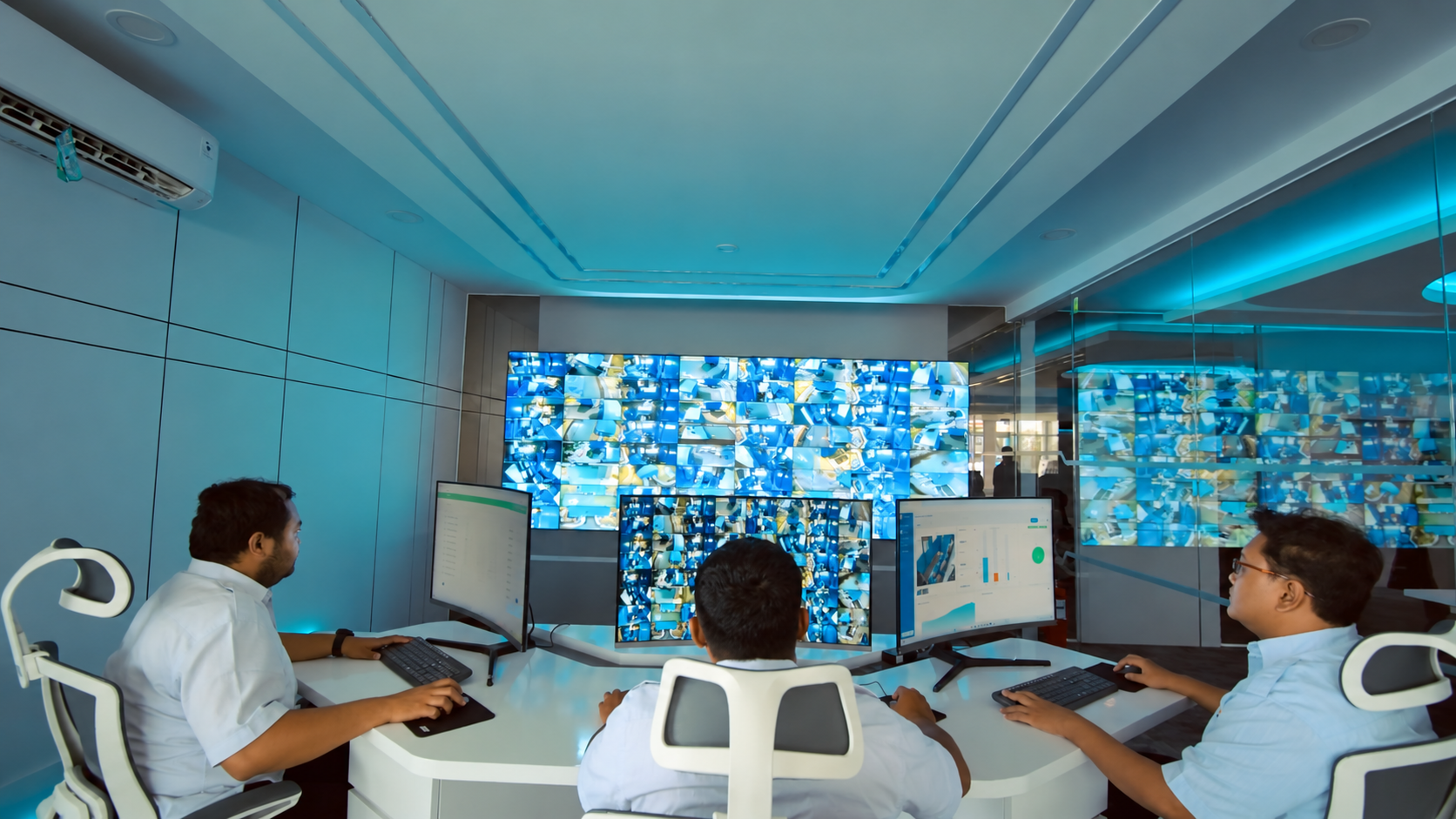
Figure 1. Centralized monitoring helps operators observe field conditions and irrigation system data in real time.
From Water Level Data to Water Gate Control
When AWLR data is integrated with Smart Water Control, water level information can be connected to a water gate control system.
A general system flow may consist of:
AWLR → Data Logger → Server → Dashboard → Control System → Actuator → Water Gate
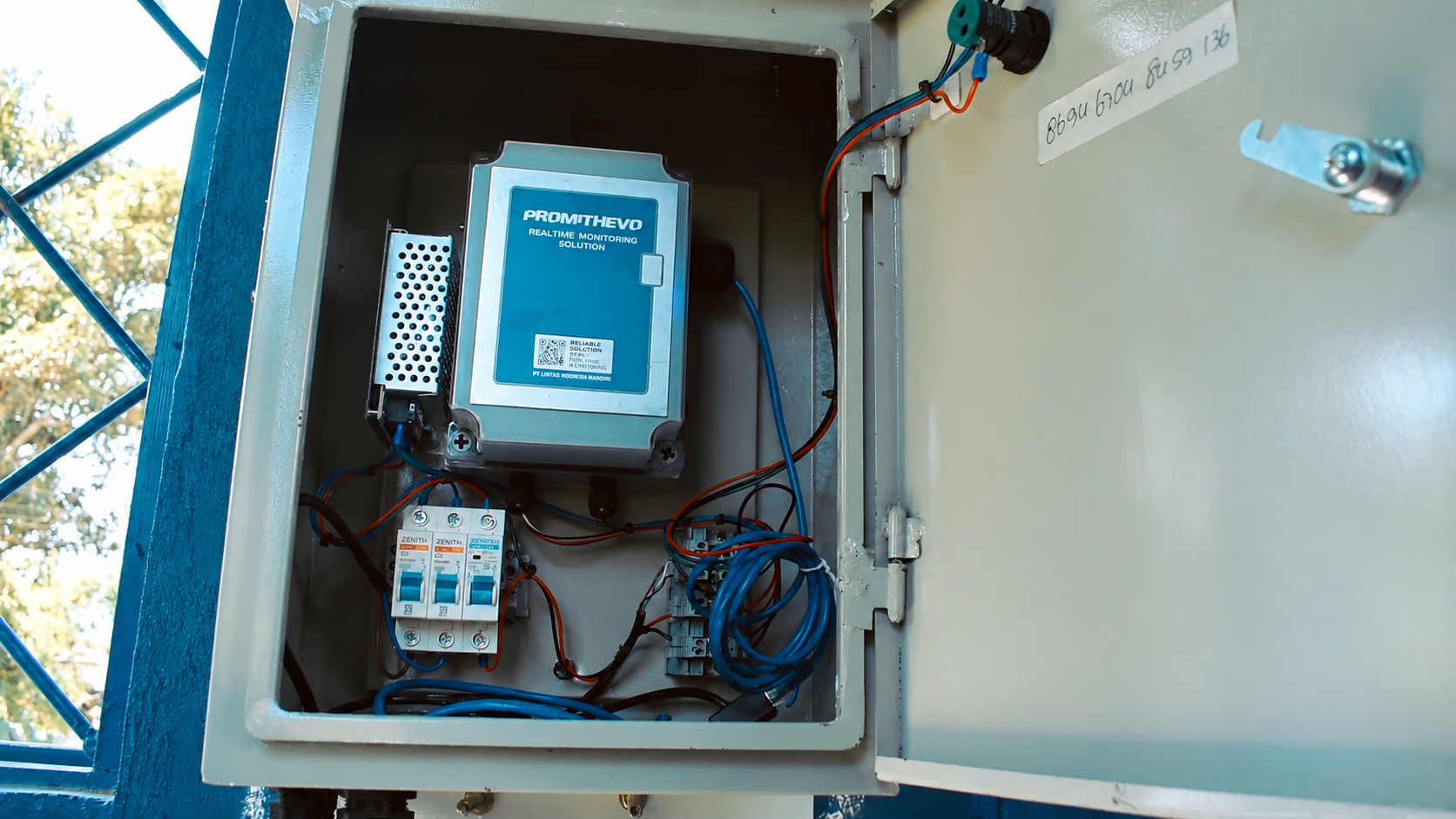
Figure 2. A telemetry control panel supports field data transmission from monitoring equipment to the central system.
The AWLR measures the water level and sends the data to the server. The system can then compare actual field conditions with predefined operational parameters or control rules.
When a change in condition requires an adjustment in water distribution, the system can provide information to operators to support the next action. In more advanced implementations, commands can also be transmitted to actuators to adjust the position of the water gate.
This approach allows digitalization to be implemented gradually, starting from monitoring and operator recommendations before moving toward semi-automatic or automatic control.
Actuators Connect Digital Systems with Field Operations
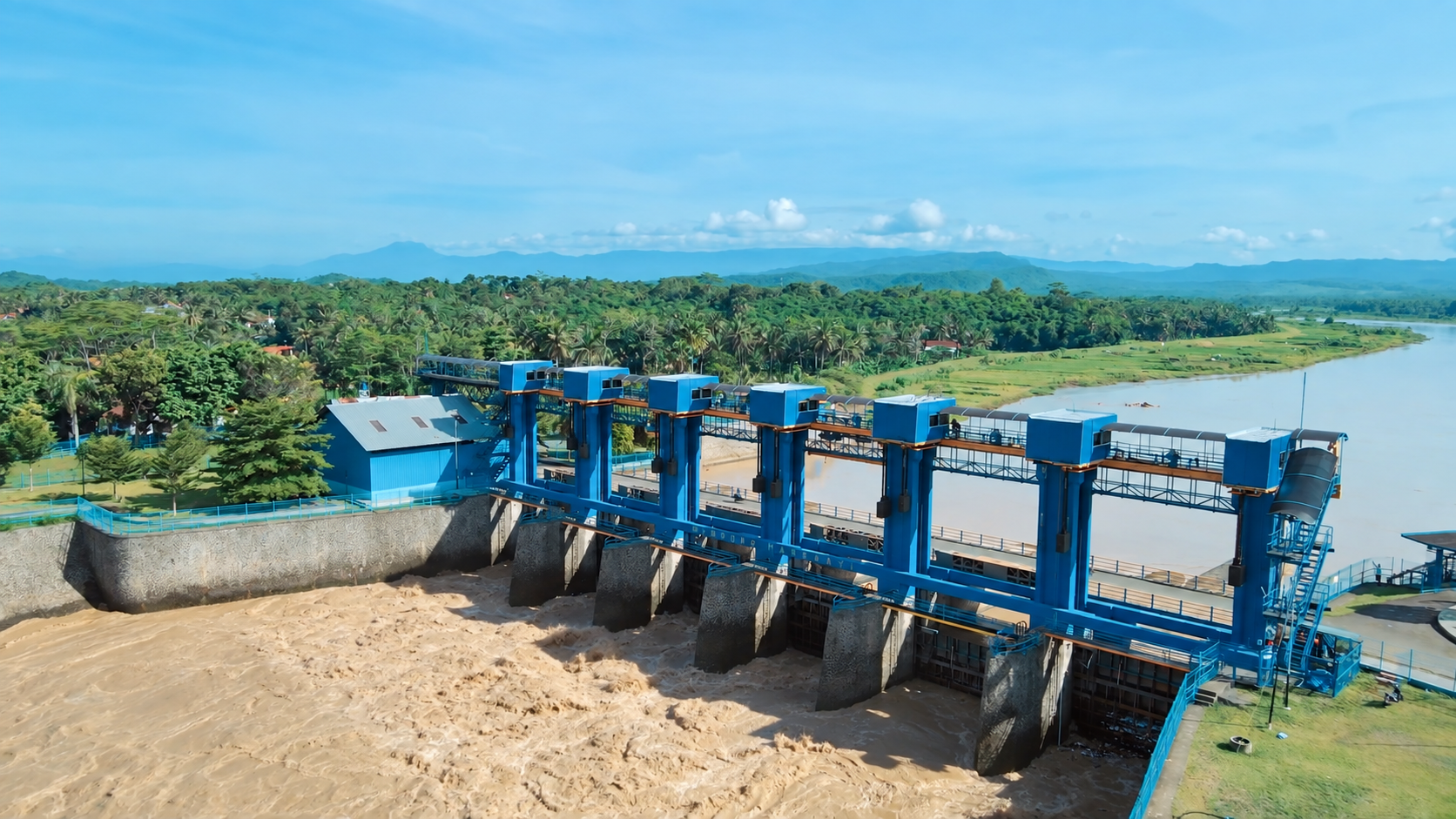
Figure 3. Water gate actuators enable monitoring systems to develop into more measurable and responsive water control operations.
Actuators translate system commands into mechanical movement at water gates. They can be used to adjust gate openings based on operator instructions or predefined control logic.
Gate position data can also be recorded and transmitted back to the monitoring system. This means operators can observe not only water level conditions but also the operational status of the water gate.
The integration of sensors, telemetry, dashboards, and actuators creates a two-way connection between field conditions and the monitoring center.
Toward More Measurable Irrigation Operations
Digitalizing irrigation systems is not simply about replacing manual records with digital data. Greater value is created when field information becomes part of the operational process.
Water level data from several locations can be reviewed through a single dashboard, while measurement history and gate activities provide records that can support evaluation. Operators can identify when water level changes occur, what action was taken, and how canal conditions responded afterward.
The implementation of AWLR, telemetry, actuators, and Smart Water Control can also be carried out in stages. One or several locations may first be used as pilot sites to evaluate monitoring performance, communication reliability, control logic, and operating procedures before expansion to a wider irrigation network.
By connecting water level monitoring and gate control within one system, irrigation digitalization can move beyond understanding what is happening in the field toward supporting decisions on what should be done next.
Interested in Developing Smart Water Control for Your Irrigation Network?
Every irrigation network has different canal characteristics, gate configurations, monitoring requirements, and operational procedures. For this reason, the system should be designed according to actual field conditions.
PT Luwes Inovasi Mandiri supports the integration of AWLR, telemetry, monitoring dashboards, actuators, and Smart Water Control for irrigation monitoring and operational control.
Discuss your irrigation monitoring and water gate control requirements with the Luwes Inovasi Mandiri team to identify an appropriate system architecture, from pilot implementation to wider network deployment.
PT Luwes Inovasi Mandiri
Industrial IoT & Monitoring Solutions
🌐 www.luwesinovasimandiri.com
📷 Instagram: @luwesinovasimandiri
💼 LinkedIn: Luwes Inovasi Mandiri
📘 Facebook: LuwesSolutions
📲 Whatsapp : +62 811-8185-5558
📍 Luwes Office : Depok, West Java, Indonesia