PHANTOM® Wireless Vibration Monitoring: Wireless, Data-Driven Machine Condition Monitoring
PHANTOM® Vibration Monitoring provides a wireless condition monitoring solution that connects vibration sensors, BLE 5.0, gateways, databases/cloud systems, and analytics to help industries monitor and understand rotating equipment conditions in a more practical and data-driven way.
Depok — In industrial environments, rotating equipment such as motors, pumps, blowers, gearboxes, conveyors, and other machinery operate continuously to support production processes. Over time, mechanical conditions can change in ways that are not always immediately visible.
Small changes in vibration, temperature, and other operating parameters can provide valuable information about equipment condition. For this reason, the ability to obtain consistent and measurable machine condition data has become an important part of machine health monitoring and condition monitoring strategies.
One of the methods widely used to understand the mechanical condition of equipment is vibration monitoring. By utilizing vibration data, maintenance teams can obtain information about changes in machine condition without having to disassemble the equipment.
This is where the PHANTOM® Wireless Vibration Monitoring System comes in. PHANTOM® is a condition monitoring system that uses wireless sensors to measure machine vibration, transmit data through a gateway, and connect the collected information to local databases or cloud-based systems.
Why Wireless Vibration Monitoring?
Conventional machine condition monitoring often relies on periodic inspections and measurements. While this approach remains important, there are situations where maintenance teams require more frequent data or need to monitor a larger number of equipment points.
In industrial facilities with numerous rotating machines, monitoring requirements can also become increasingly complex. The number of measurement points can increase, equipment may be distributed across different areas, and installing communication cables for every sensor can become a challenge.
Wireless vibration monitoring provides a different approach.
By using wireless sensors, vibration data can be collected from monitoring points without requiring communication cables from every sensor to the main monitoring system. This provides greater flexibility in sensor placement and allows the monitoring system to be expanded according to operational requirements.
This is the approach behind PHANTOM®, designed as part of a more connected equipment condition monitoring system.
From Machine to Data
PHANTOM® uses wireless sensors installed on the equipment being monitored. The sensors measure vibration conditions and transmit the data through BLE 5.0, or Bluetooth Low Energy, to a gateway.
According to the PHANTOM® catalog, sensor communication can reach up to 100 meters under line-of-sight conditions, or approximately 50 meters when obstacles such as walls are present.
The wireless approach provides flexibility in system implementation. The absence of communication cables from each sensor can help simplify installation, particularly when monitoring is implemented across multiple equipment points.
However, PHANTOM® is not limited to transmitting a single vibration value.
The system supports FFT spectrum and waveform, allowing users to obtain more comprehensive vibration data to help understand machine characteristics and condition changes.
PHANTOM® provides bandwidth of up to 10 kHz, with an amplitude range starting from ±8G and configurable up to ±32G. Spectrum transmission intervals can be configured from every 10 minutes up to 1,440 minutes, or 24 hours, depending on monitoring requirements.
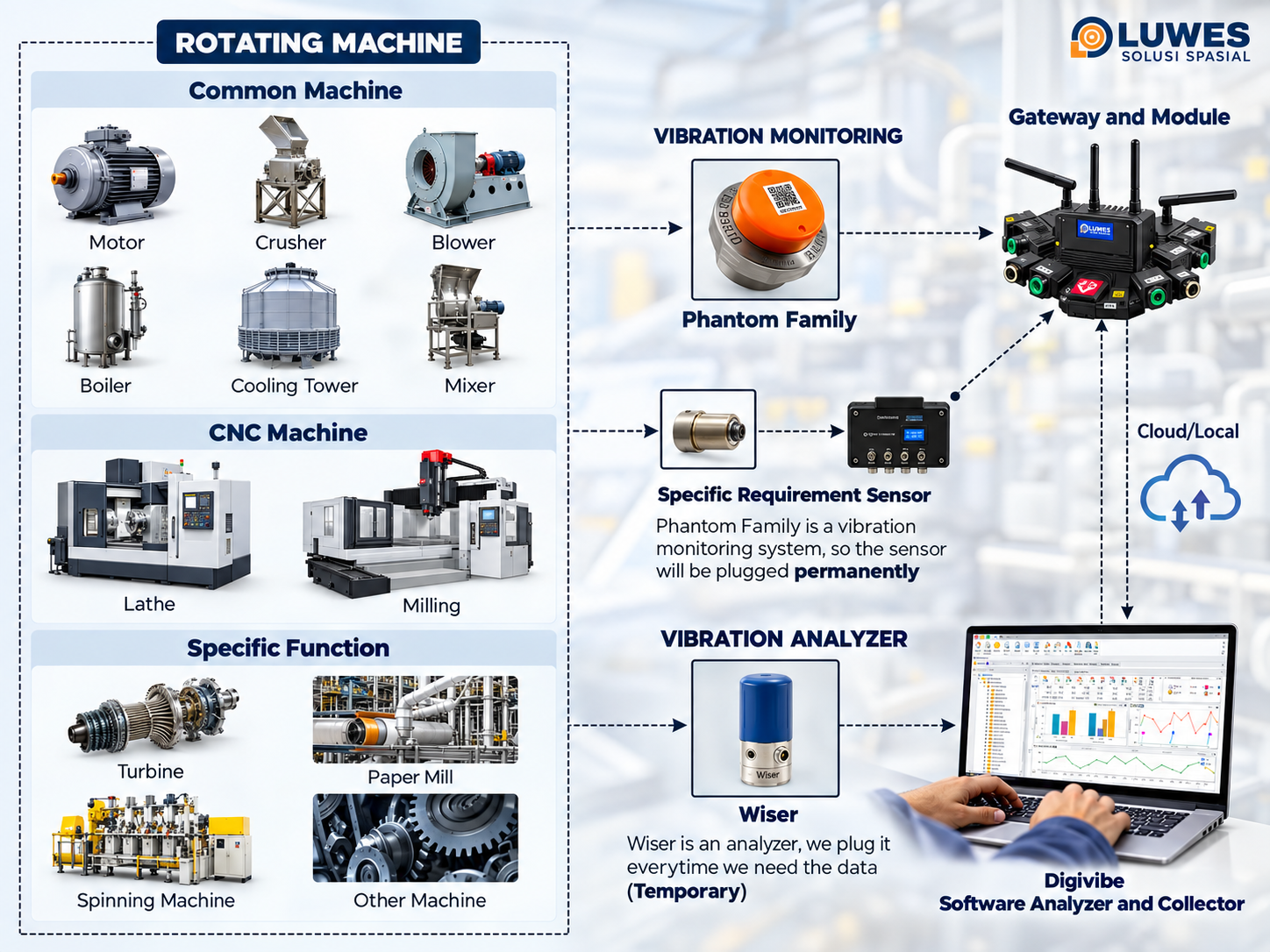
Figure 1. PHANTOM® & Wiser Wireless Vibration Monitoring Architecture
One System for Multiple Monitoring Requirements
In industrial applications, vibration is not the only parameter that can provide information about equipment condition.
PHANTOM® can become part of a monitoring system that integrates additional parameters, including:
Vibration
Temperature
Electrical Current
Rotational Speed
Pressure
Flow
Tank Level
Integrating multiple parameters allows equipment condition to be viewed not only through a single type of data, but through a combination of information relevant to the characteristics of the machine and its operating process.
This approach can be particularly useful when maintenance teams need to understand the relationship between changes in vibration and the operating condition of equipment.
Flexible Monitoring for Rotating Equipment
PHANTOM® can be applied to various types of rotating equipment, depending on monitoring requirements and machine characteristics.
Examples of equipment that can be monitored include:
Motors
Pumps
Fans and Blowers
Gearboxes
Conveyors
Bucket Elevators
Hammer Mills
Pellet Mills
Other rotating equipment
With a wireless approach, the number of monitoring points can be expanded according to system requirements. This provides flexibility for industries that want to begin monitoring selected critical equipment before expanding the implementation to additional machines or areas.
From Sensor to Gateway, Database, and Cloud
The value of a vibration monitoring system does not only depend on the sensor's ability to measure vibration. The collected data also needs to be transmitted, stored, and accessed by users.
In the PHANTOM® architecture, vibration data from the sensors is transmitted wirelessly through BLE to the gateway. The gateway then forwards the data to a local database or the EI-Analytic™ cloud system.
The data can be accessed through devices such as:
Sensor → Gateway → Database/Cloud → Analytics → User
This architecture allows equipment condition information to become part of a broader monitoring system.
Monitoring does not necessarily require personnel to be physically present in front of the machine at all times. Data available through the system can help relevant teams access equipment condition information through devices such as computers, smartphones, or tablets.
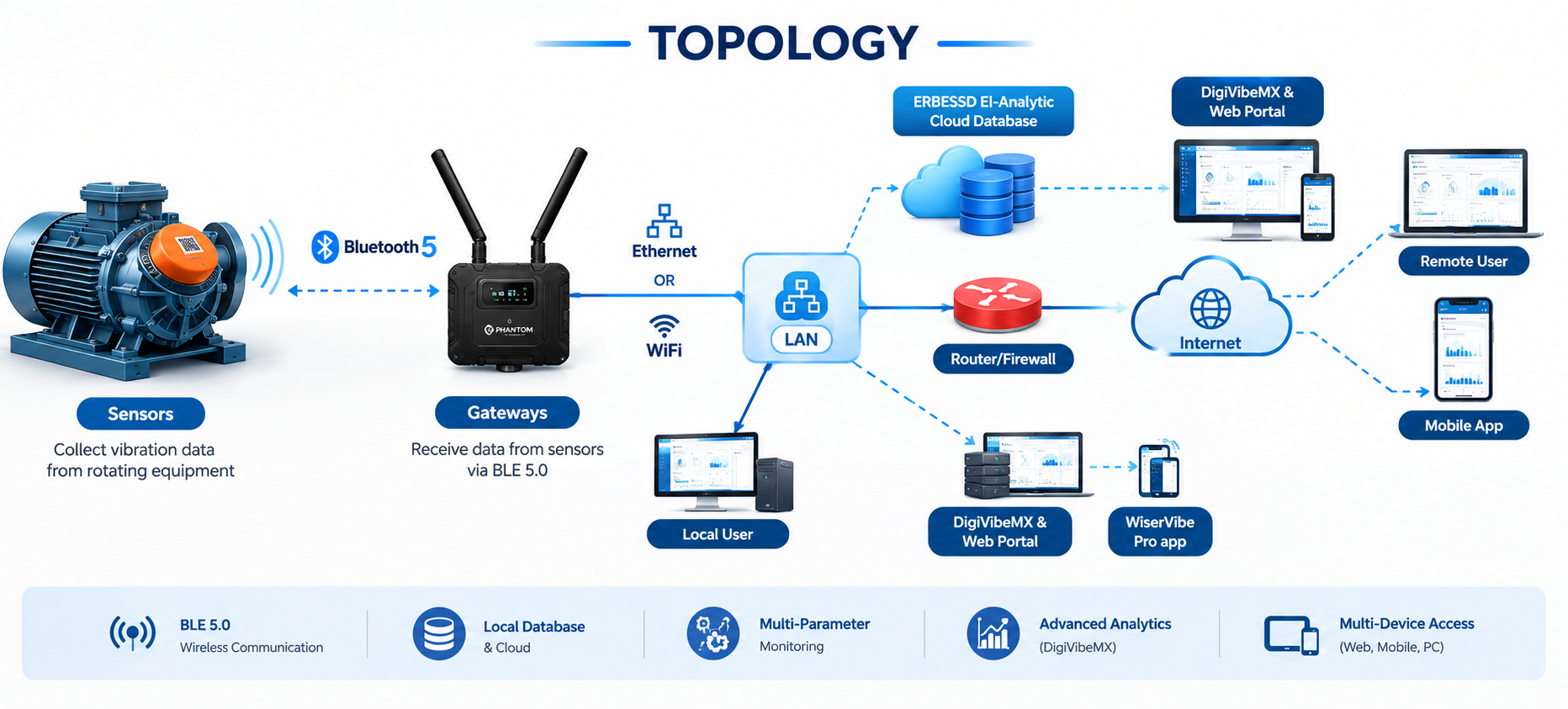
Figure 2. PHANTOM® Vibration Monitoring Topology
From Monitoring to Analytics
Collecting data is only the first step in condition monitoring. The next step is understanding what the data indicates.
Within the PHANTOM® ecosystem, DigiVibeMX is introduced as an analytics engine providing advanced diagnostics and automated scoring.
The system also offers the approach:
“Total customization: your data, your rules.”
This approach allows the analysis process to be adapted to user requirements and the characteristics of the monitored equipment.
As a result, the system does not simply generate a collection of vibration data. It provides an environment that can help users perform equipment condition analysis in a more structured way.
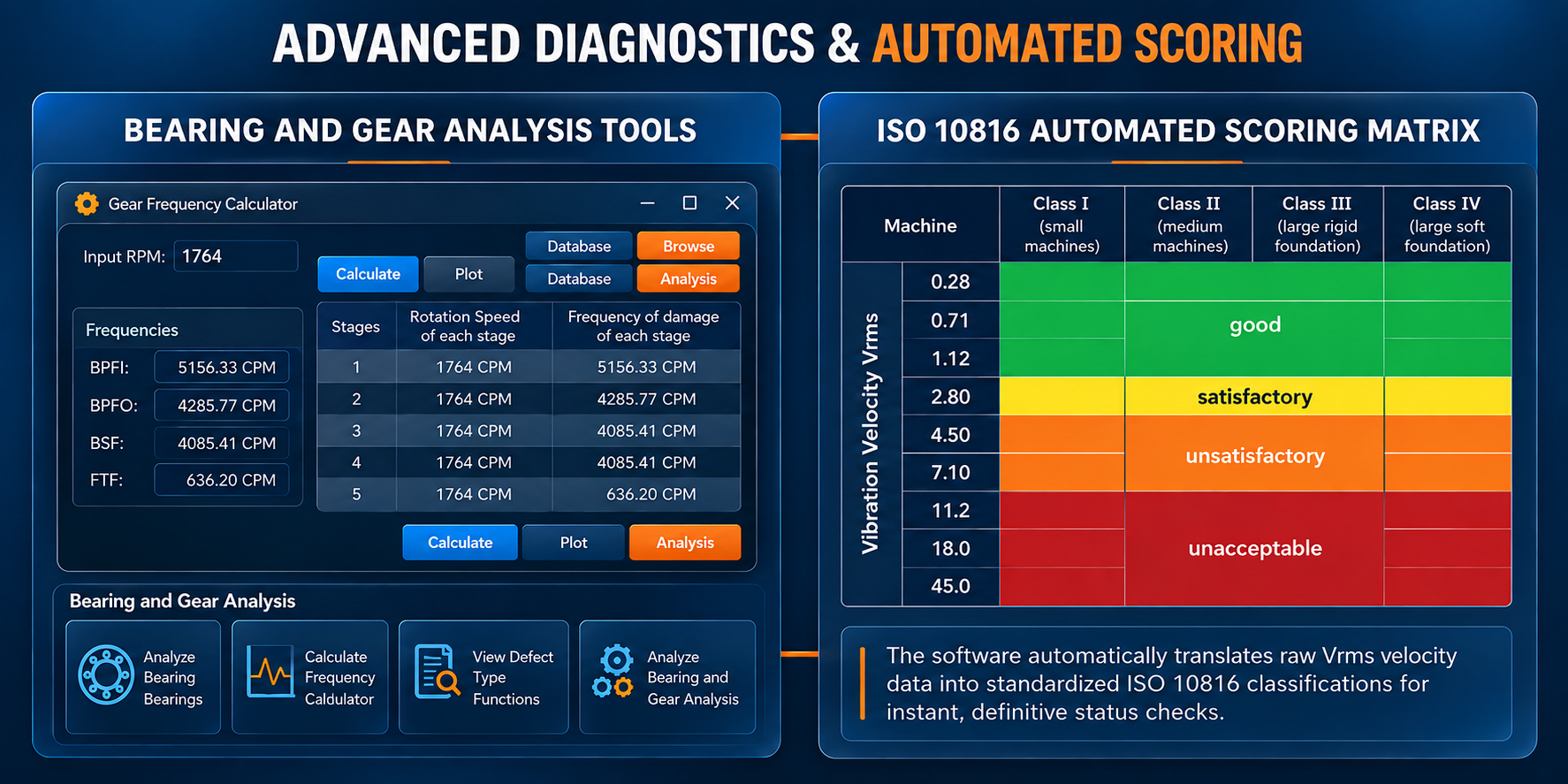
Figure 3. Advanced Diagnostics and Automated Scoring
How Does PHANTOM® Support Machine Health Monitoring?
The PHANTOM® system can be understood through five simple stages:
1. Measure
PHANTOM® sensors capture vibration data from the equipment.
2. Transmit
The data is transmitted wirelessly using BLE 5.0.
3. Collect
The gateway receives data from the sensors and forwards it to the system.
4. Store
Data can be transferred to a local database or cloud-based system.
5. Analyze
Vibration data can be used for analytics and equipment condition diagnosis.
This workflow connects the machine to data, and then connects the data to users.
More Than Just Measuring Vibration
Vibration monitoring is not simply about determining how much a machine is vibrating.
The greater value lies in obtaining consistent equipment condition data, observing changes over time, and using that information as part of the maintenance decision-making process.
With this approach, vibration data can become one component of a broader machine health monitoring strategy, particularly for equipment that plays an important role in continuous production processes.
PHANTOM® delivers this approach through the combination of:
Wireless Sensor + BLE 5.0 + Gateway + Local Database/Cloud + Analytics
This combination allows the monitoring system to scale from selected equipment points to broader industrial monitoring requirements.
Is Wireless Vibration Monitoring Right for Your Equipment?
Every piece of equipment has different characteristics, criticality levels, operating conditions, and monitoring requirements.
Therefore, wireless vibration monitoring should be implemented according to factors such as:
Equipment type and characteristics
Number of monitoring points
Machine operating conditions
Parameters to be monitored
Data acquisition frequency
Network architecture
Analysis and reporting requirements
The Luwes team can help discuss these requirements and determine an appropriate monitoring approach based on the actual conditions in the field.
Learn More About PHANTOM® Vibration Monitoring
Want to understand how the PHANTOM® Wireless Vibration Monitoring System can be applied to rotating equipment at your facility?
Contact the Luwes team to discuss your monitoring requirements, equipment types, number of measurement points, and potential system implementation.
Explore PHANTOM® Vibration Monitoring and review the complete system specifications through the product catalog.
Download: Catalog PHANTOM®
PT Luwes Inovasi Mandiri
Industrial IoT & Monitoring Solutions
🌐 www.luwesinovasimandiri.com
📷 Instagram: @luwesinovasimandiri
💼 LinkedIn: Luwes Inovasi Mandiri
📘 Facebook: LuwesSolutions
📲 whatsapp : +62 811-8185-5558
📍 Kantor Luwes : Depok, West Java, Indonesia
PT Luwes Solusi Spasial
Wireless Machine Health Monitoring & Predictive Maintenance Solutions
🌐 www.luwessolusispasial.com
💼 LinkedIn: PT Luwes Solusi Spasial
📧 Email : marketing@luwessolusispasial.com
📲 WhatsApp: +62 812-3537-2853
📍 Kantor Luwes : Depok, West Java, Indonesia