Luwes solutions / Early warning
Early Warning System
Monitor water levels and ground conditions to identify flood and landslide risks early. Alerts help your team prepare and respond when conditions change.
- Water level
- Rainfall
- Ground movement
Flood Prevention
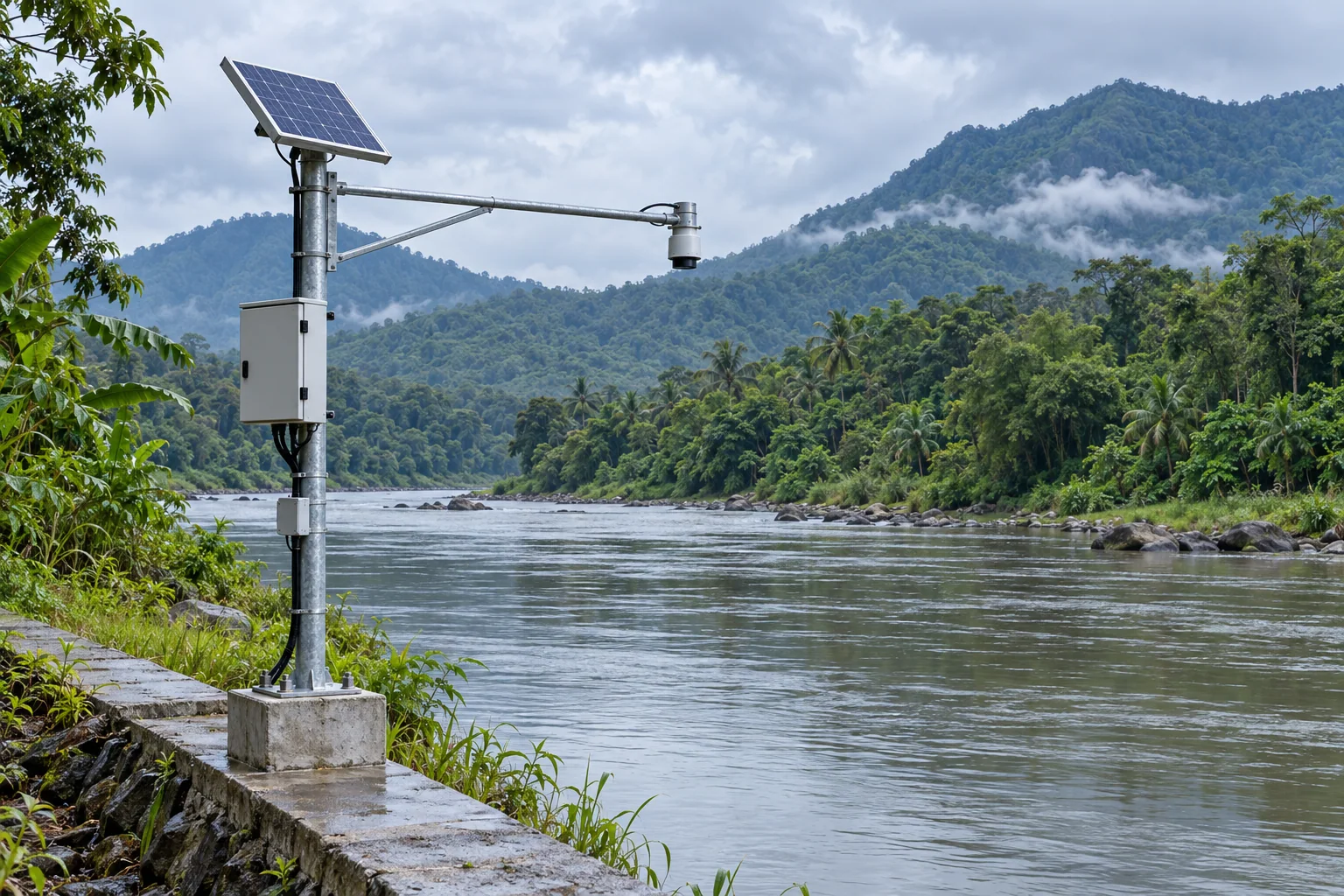
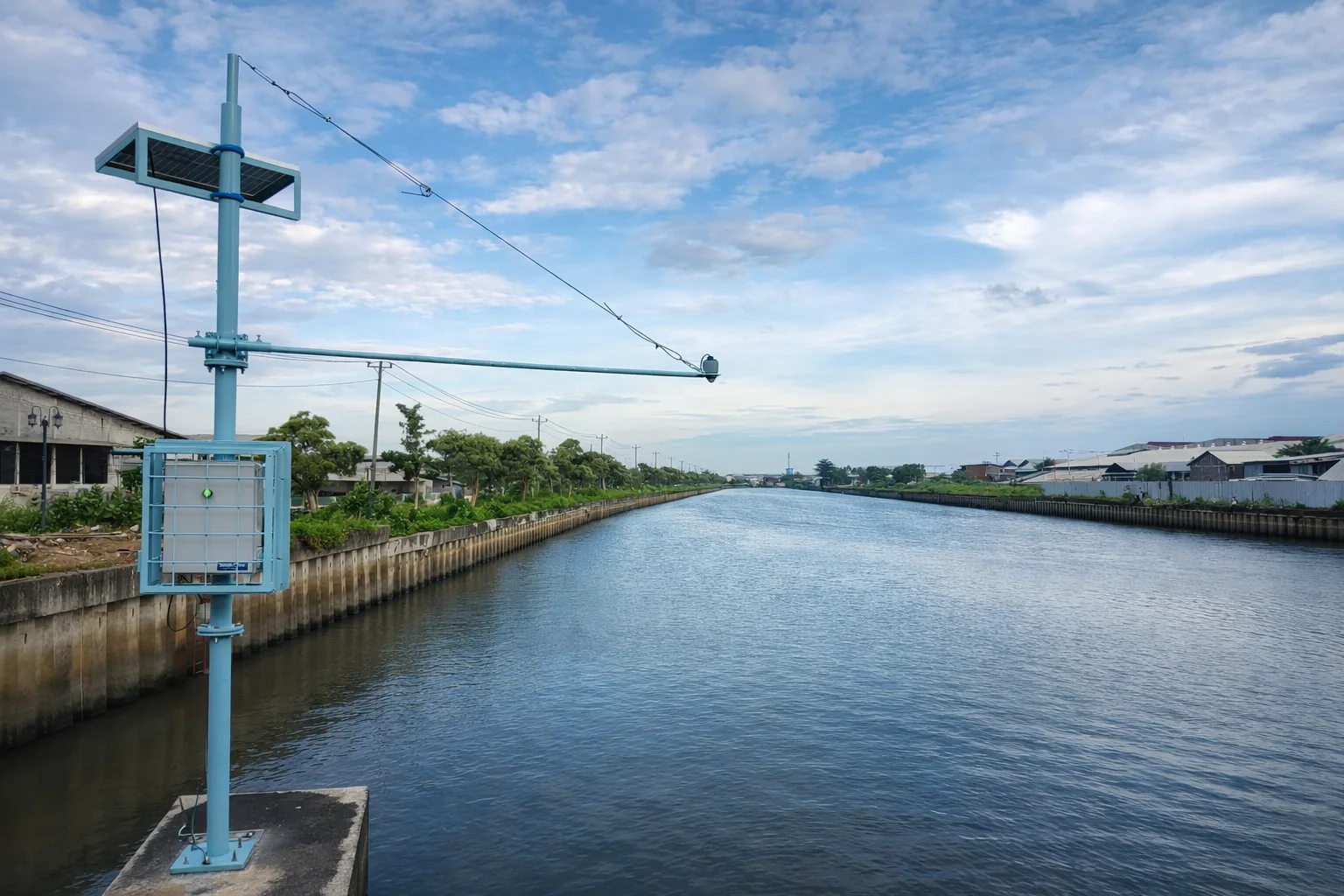
Flood Early Warning
An Automatic Water Level Recorder (AWLR) tracks changes in rivers, canals, and groundwater. Readings are sent to monitoring dashboards and control centres so teams can see rising water levels.
Real-time monitoring 24/7
Automatic threshold alarms
Early warning notification integration
Historical data for risk analysis
Landslide Prevention
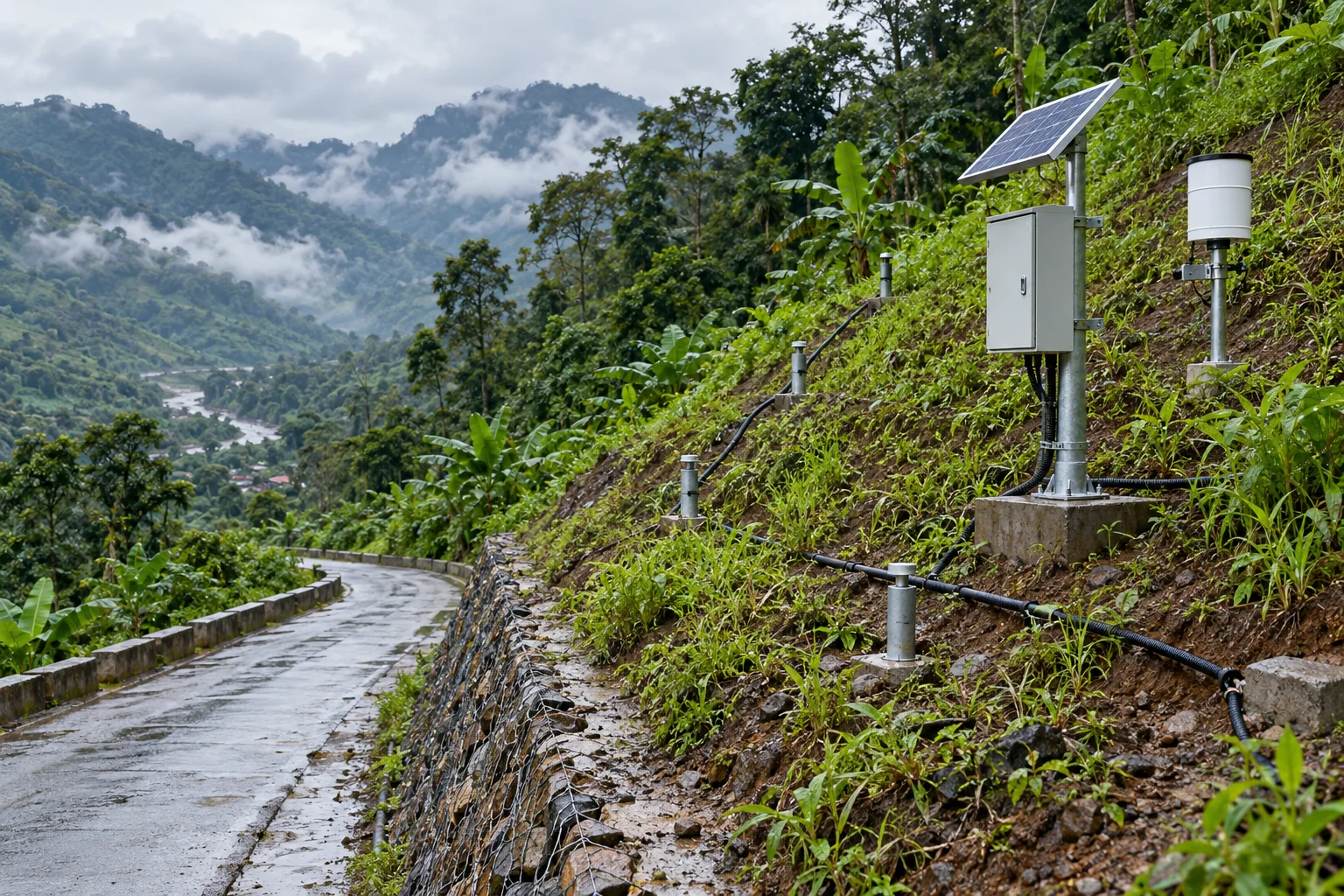
Landslide Early Warning
Sensors track soil moisture, small ground movements, and saturation during heavy rain. Live readings help teams identify warning signs and assess landslide risks.
Plan a system that fits your site
Start with the hazard and the people who need to act. A river station, a rainfall recorder and a landslide sensor answer different questions. We discuss your location, warning rules and response team before selecting equipment.
Step 1
Identify the locations to watch: upstream rivers, water gates or slopes. Agree what is measured and which changes need attention; a single threshold cannot suit every site.
Step 2
Sensors record site conditions. The selected connection sends readings to the monitoring screen. Confirm the recording interval, delivery delay and what happens when power or the network is unavailable.
Step 3
Agree who receives each warning and who checks it. Test the complete route from a sensor reading to the recipient, then practise the response procedure with the responsible team.
What to prepare before asking for a quote
- A location or map pin, photographs and a description of past flooding or ground movement. Include safe mounting positions and access during high water or heavy rain.
- The team's existing response procedure, expected recipients and available communications. Tell us whether you need a monitoring screen, notifications, a siren or connection to another system; these are separate items to confirm.
Care and ongoing costs
Plan inspections of sensor alignment, the mounting structure, power supply and communications. Keep a record of test warnings and repairs. Repeat response drills when recipients or site conditions change.
Know the limits
Monitoring supports decisions; it does not prevent a flood or certify a slope as safe. Warning thresholds and evacuation decisions need the responsible local authority or qualified specialist. Sensors, communications and people all need to work together.
Further reading on the underlying method: WMO — Early Warnings for All
Questions before you order
Do I need both AWLR and ARR?
AWLR measures water level; ARR records rainfall. The right combination depends on the hazard and catchment. Share the location and your warning needs so the team can explain which readings are useful and where stations should be placed.
Can an alert still reach us during a network outage?
This depends on the agreed power supply, connection and local warning equipment. Ask which readings are stored locally, whether a backup channel is included and how an outage is shown to the operator. Do not assume all packages include these features.
Explore the relevant equipment
- AWLR — water level
Watch rising and falling river or reservoir levels.
- ARR — rainfall
Add rainfall records where they support warning decisions.
- SHM — movement monitoring
Discuss suitable sensors for structures or ground movement.
Consult Now
Let's discuss how we can help your business with the right IoT solutions